Research & Development
מחקר ופיתוח
ما يوجّه عملنا
Our research and development work drives innovation across the water-energy-food nexus, uniting policy, technology, and socio-political and cultural inquiry across multidisciplinary projects addressing water resource management, renewable energy, sustainable agriculture, and climate change resilience.
Ecosystem Services
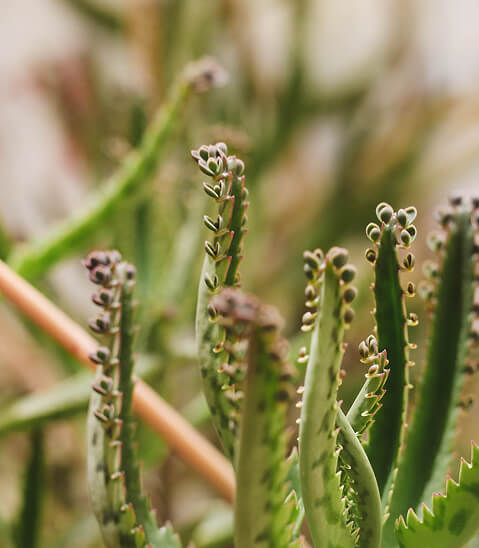
The Center for Arid Socio Ecology has been studying ecosystem services of the Arava since 2010 and the project is ongoing.
Study Program
In the following sections, you will explore the key elements of your experience at the Arava Institute, including academic courses, integrated community programming and dialogue, and field trips that together shape a meaningful and immersive semester.
AgriPV Applied Research
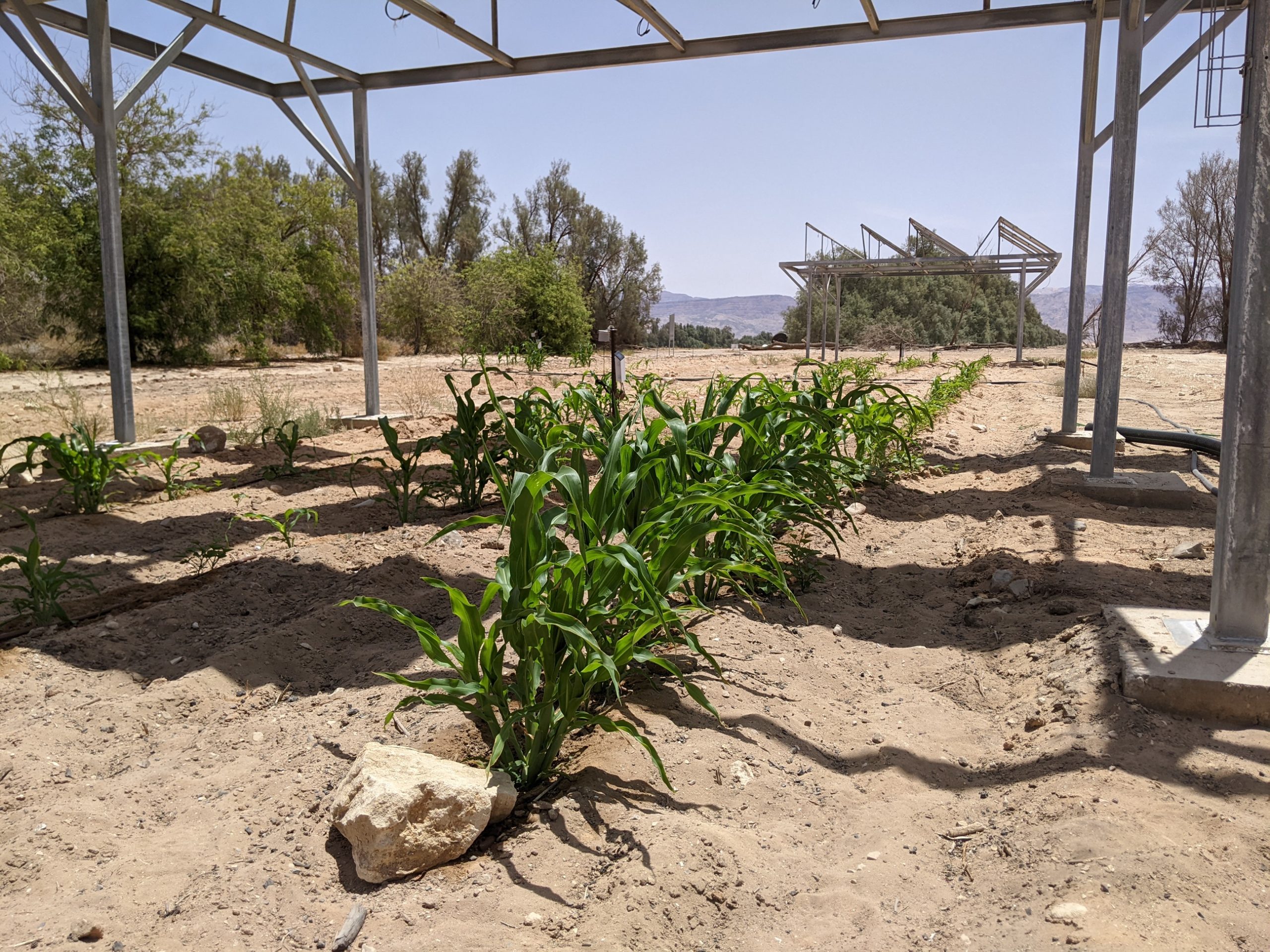
The project investigates agrivoltaic (AgriPV) systems—integrating photovoltaic energy generation with agricultural production—to advance sustainable, off-grid farming solutions in arid environments.
Dr. József Kádár
Researcher for ENERGY
Jozsef.Kadar@arava.org
The Sonia Twite Shelter Garden
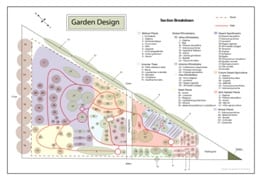
The Shelter Garden is a conservation and research initiative focused on protecting rare desert plants and restoring biodiversity in the Arava. It combines science, education, and community engagement in a living, accessible landscape.
Off-Grid Technology Hubs for Israel’s Bedouin Sector
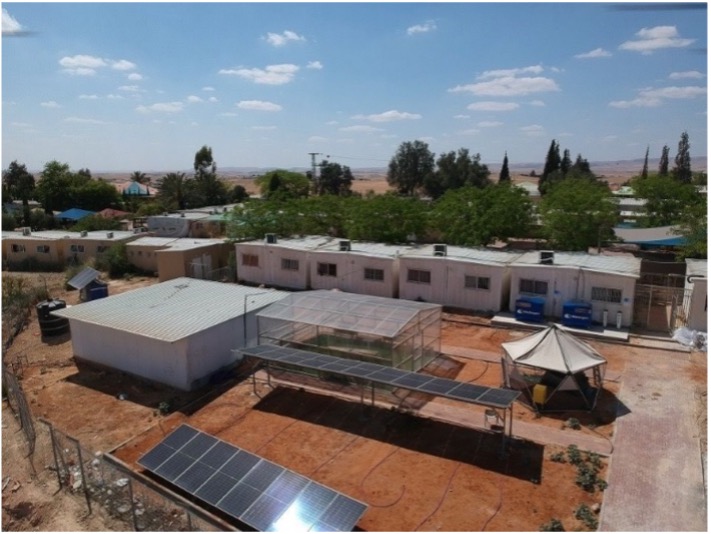
Off-grid technology hubs integrating water, energy, and education to support resilient, sustainable communities in the Negev.
Argania Spinosa
The project integrates decades of agricultural research with applied innovation, with the goal of establishing a sustainable, locally based argan oil industry in the region.
Mr. Omad Abdelshakour
Researcher for ENERGY
lect8@arava.org
Water & Nutrient Management of Trees
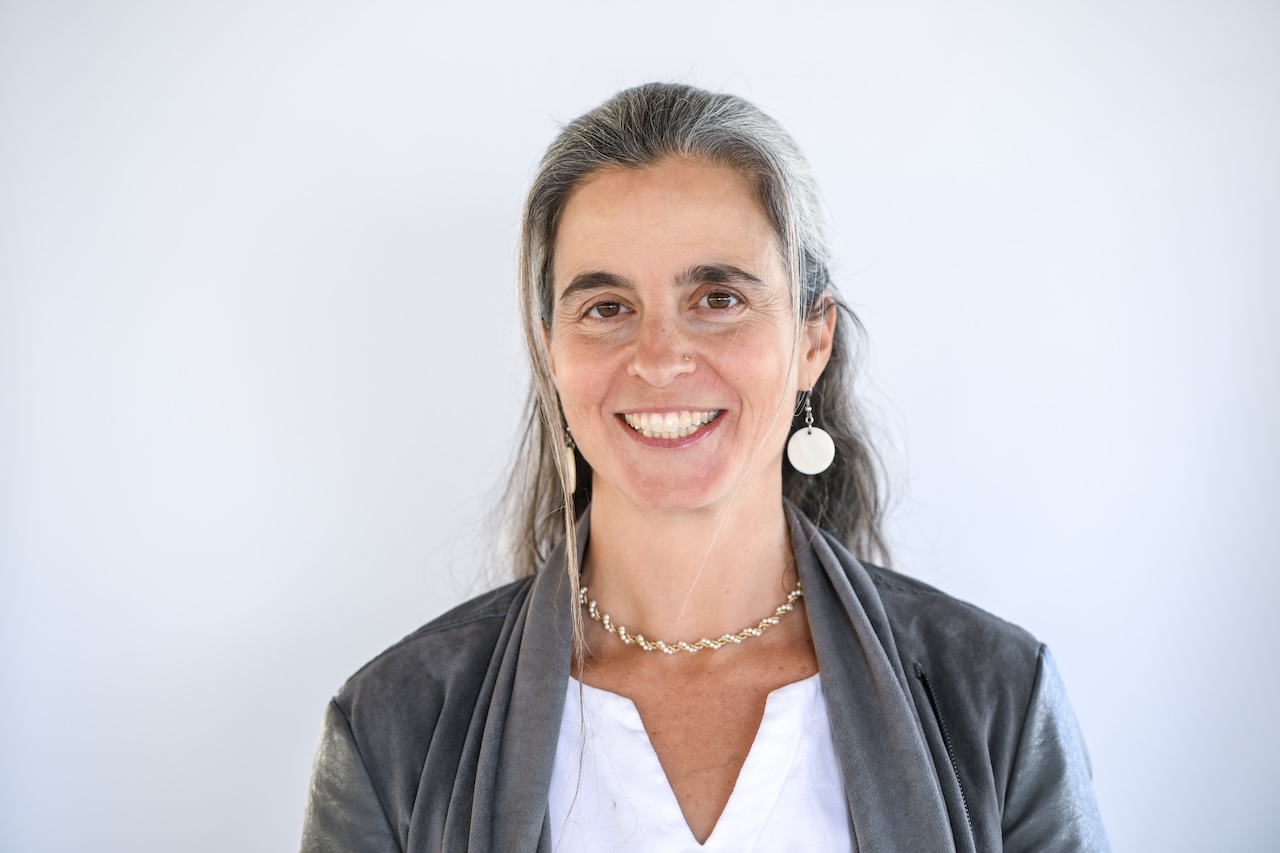
Dr. Rina Kedem
Senior Researcher for COMMUNITY
Rinak@arava.org
Off-Grid Water & Waste Systems in the Jordan Valley
The project addresses critical challenges related to water scarcity, sanitation, and resource efficiency in one of the region’s most environmentally vulnerable areas.
Ancient Dates
Reviving 2,000-year-old date palms to explore ancient agriculture, biodiversity, and future resilience.
People’s Water Data (Pwd) Initiative
This project, in partnership with Tel Aviv University, focuses on assessing and improving drinking water quality in unrecognized Bedouin villages in the Negev Desert.
Dr. Elaine Solowey
Researcher Emerita
Eating Off the Grid
The study explores food systems in Al-Fura’a, one of the largest unrecognized Bedouin villages in the Negev Desert.
Negev Highlands Traditional Bedouin Agriculture
The project focuses on reviving traditional Bedouin agricultural practices, conserving native medicinal plant species, and documenting Indigenous ecological knowledge in the Negev Highlands.
Solar Thermal Technologies
The study contributes to the development of sustainable, low-cost heating technologies suitable for arid and off-grid environments.
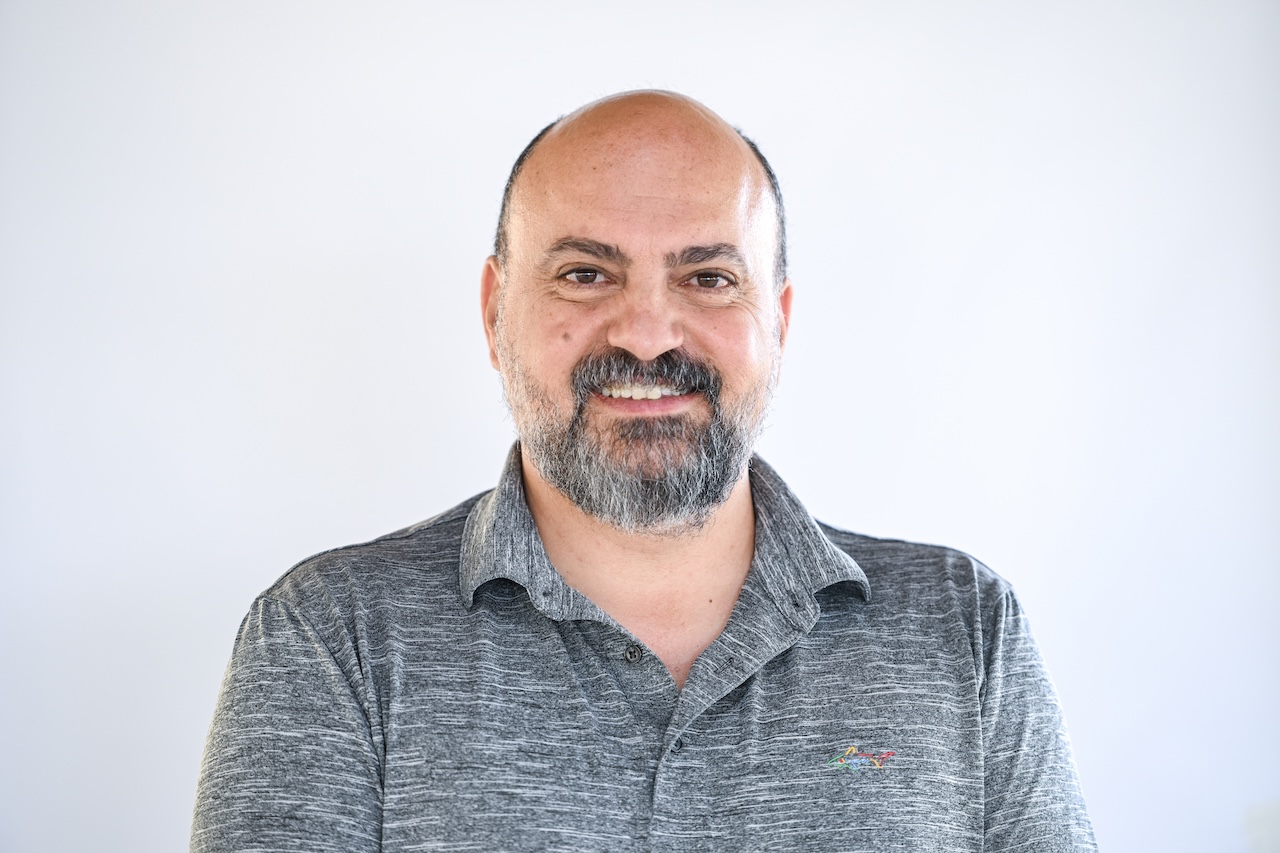
Dr. Suleiman Halasah
Senior Researcher for COMMUNITY
Pastoralist Communities in Climate Frontier
This multi-year research initiative examines the impacts of climate change on pastoralist communities across borderland regions, including Negev Highlands, Golan Heights, and Area C of the West Bank.
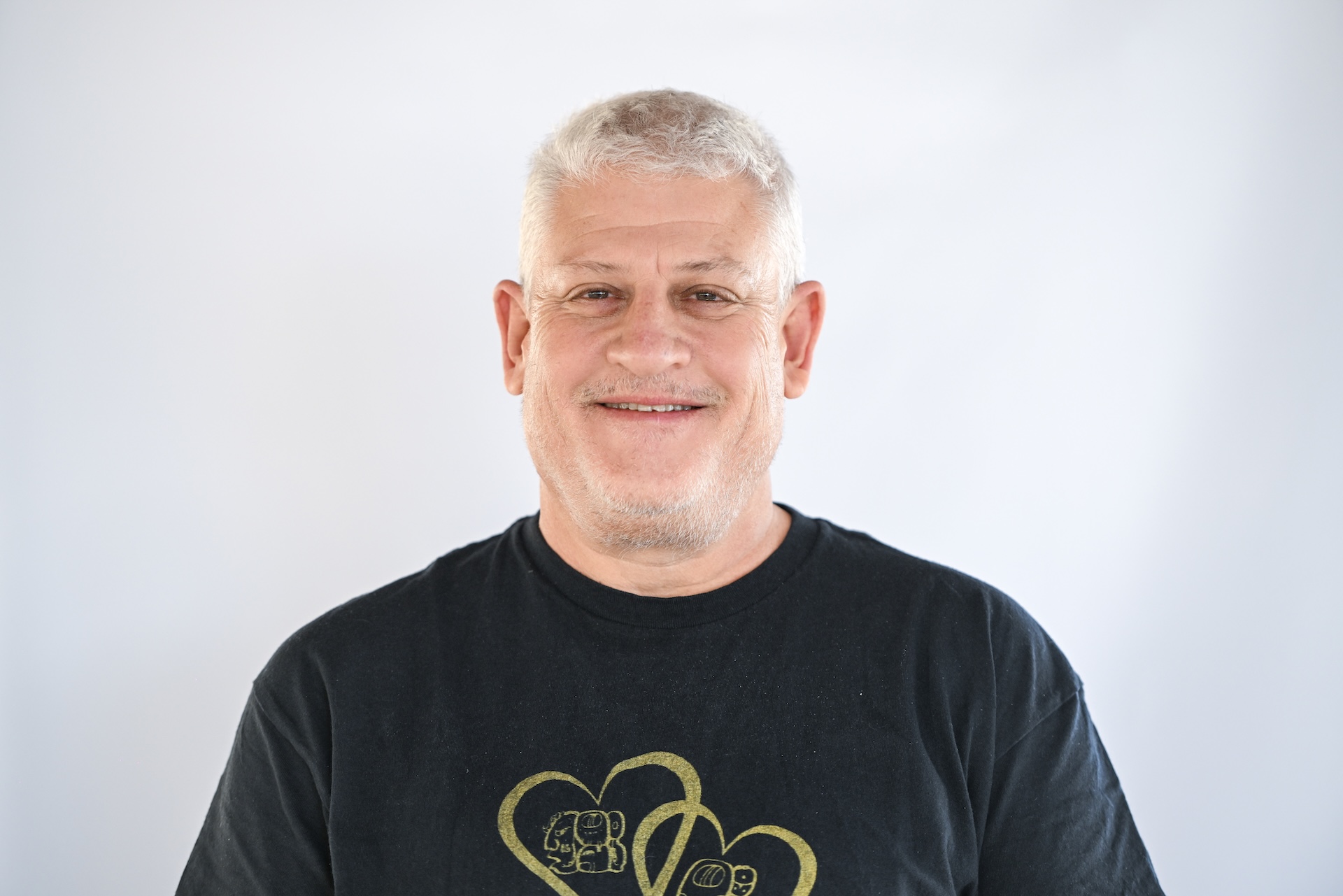
Dr. Clive Lipchin
Senior Researcher for WATER
Science and Sociology of Wood Burning Stoves
The study investigated both the measurable environmental impacts of wood burning and the broader social, cultural, and political dynamics associated with its use.
Introducing Native Plants into Gardening and Agriculture Systems
The project focuses on integrating native plant species into agricultural systems and community landscapes in the Arava region.
Biogas Digestate Fertilization
The project explores the use of small-scale biogas systems as a sustainable solution for managing raw chicken manure in agricultural systems.
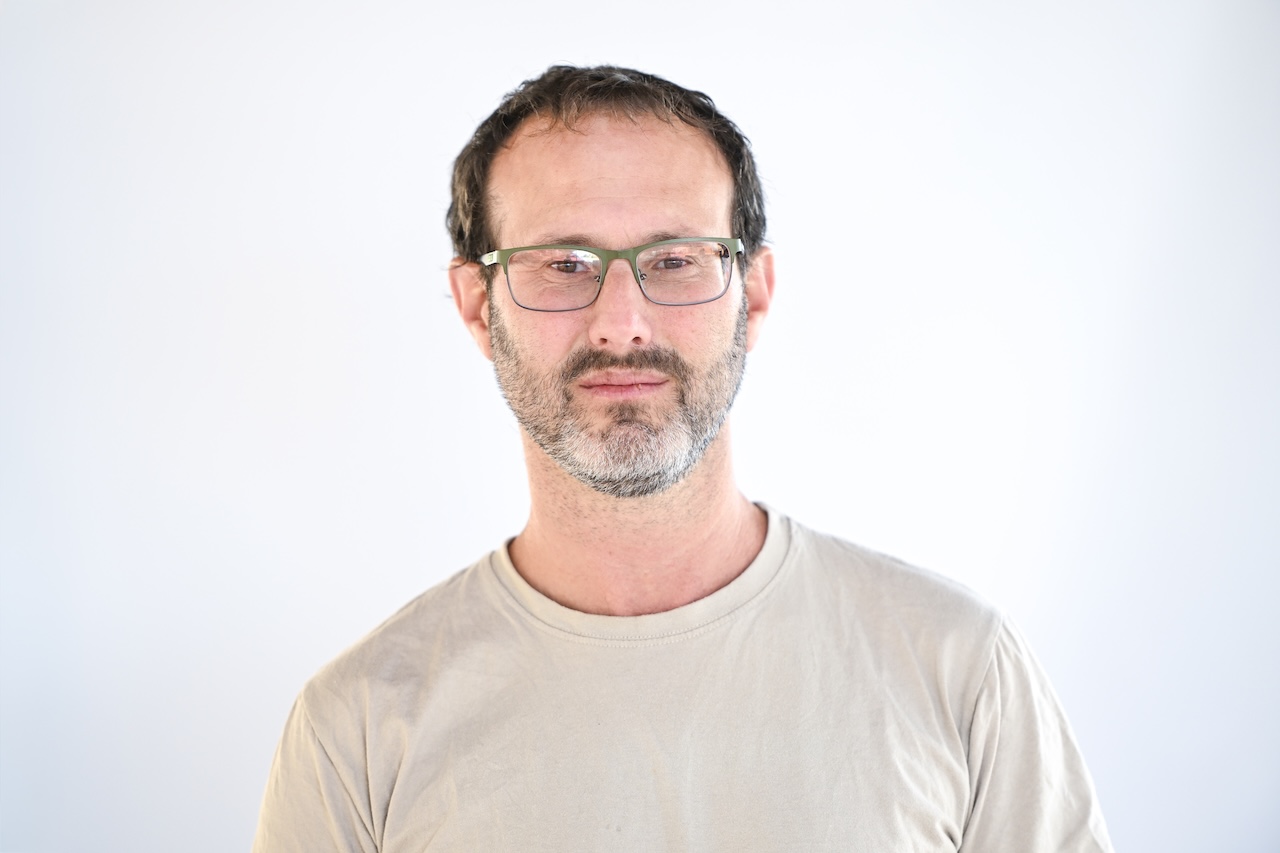
Dr. Oren Hoffman
Senior Researcher for EARTH
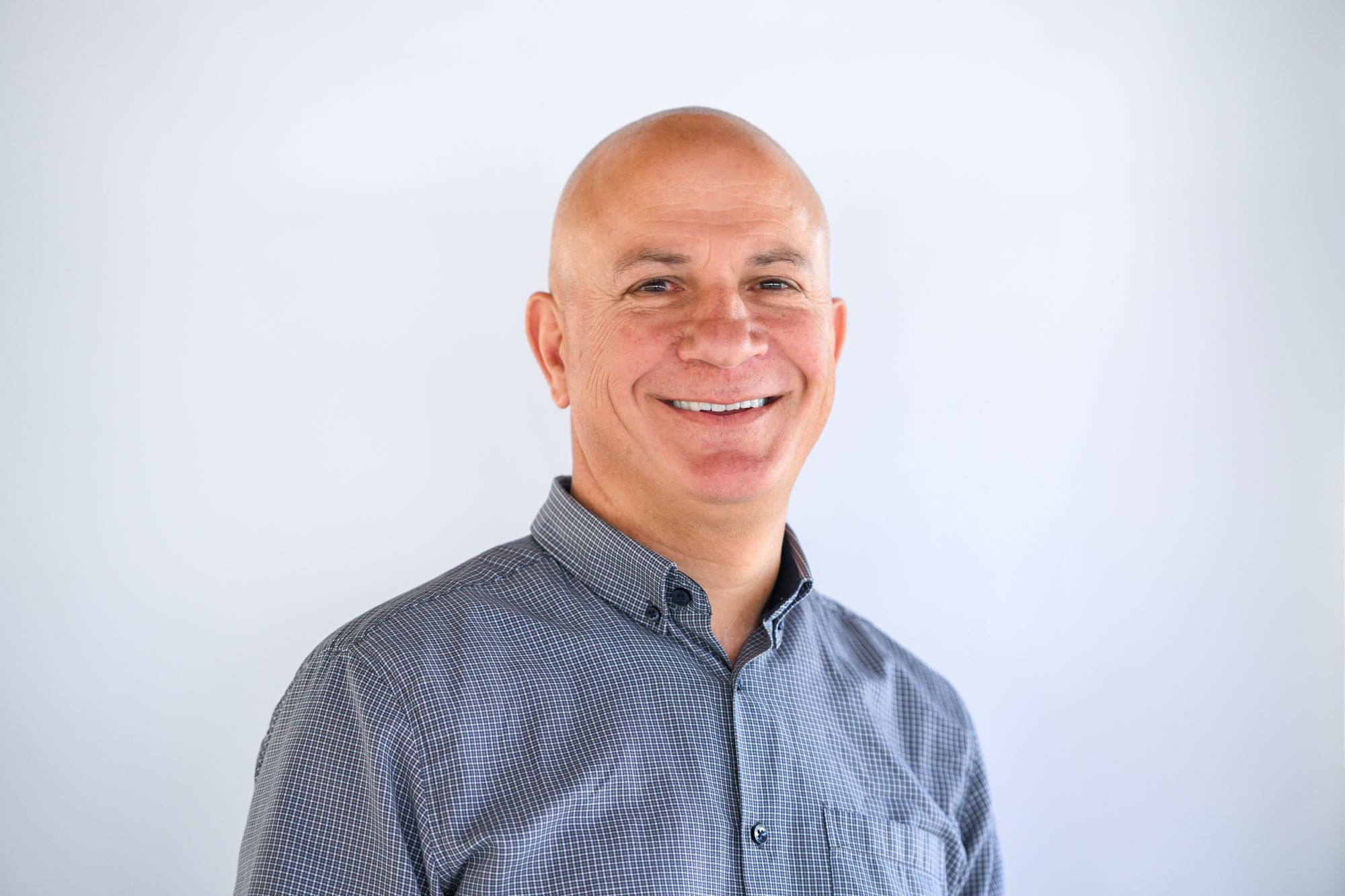
Dr. Tareq Abu Hamed
Director of the Arava Institute & ENERGY Researcher
tareq@arava.org
Dr. Elise Machline
Researcher for Climate Change Policy
Elise.Machline@arava.org
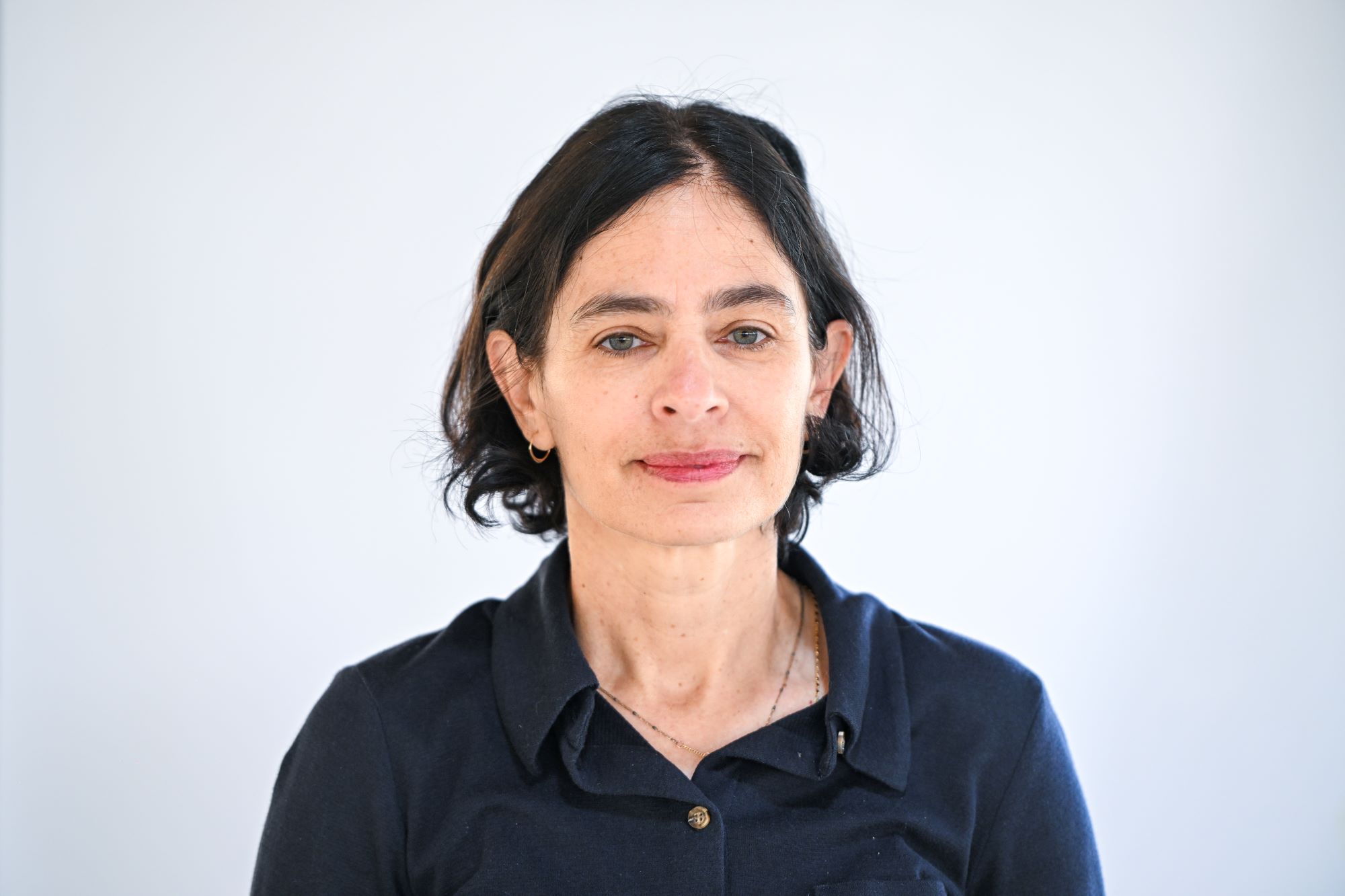
Dr. Miri Lavi-Neeman
Senior Researcher for Socio-Ecology
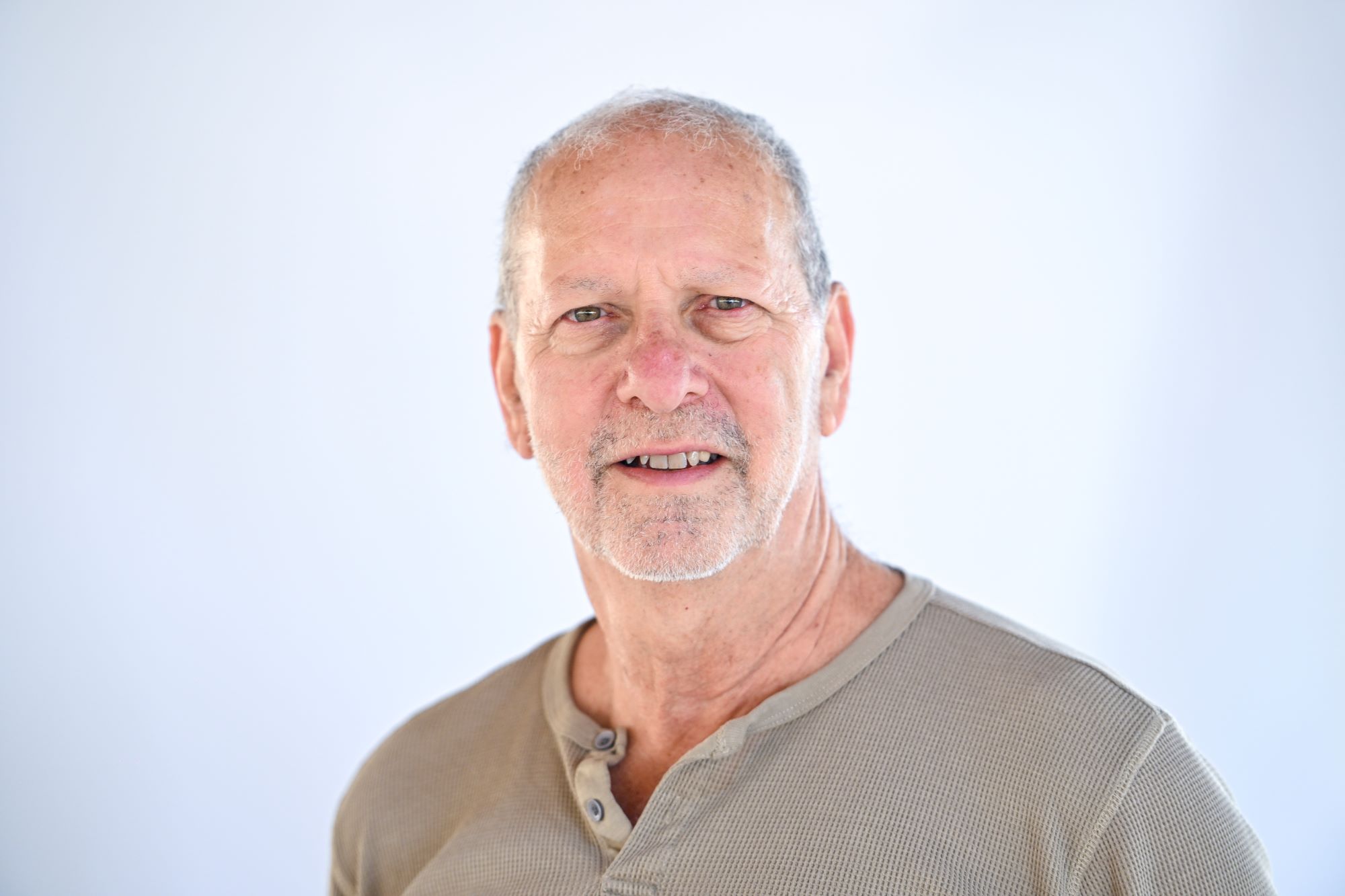
Dr. David Lehrer
Senior Researcher for Applied Environmental Diplomacy
david@arava.org
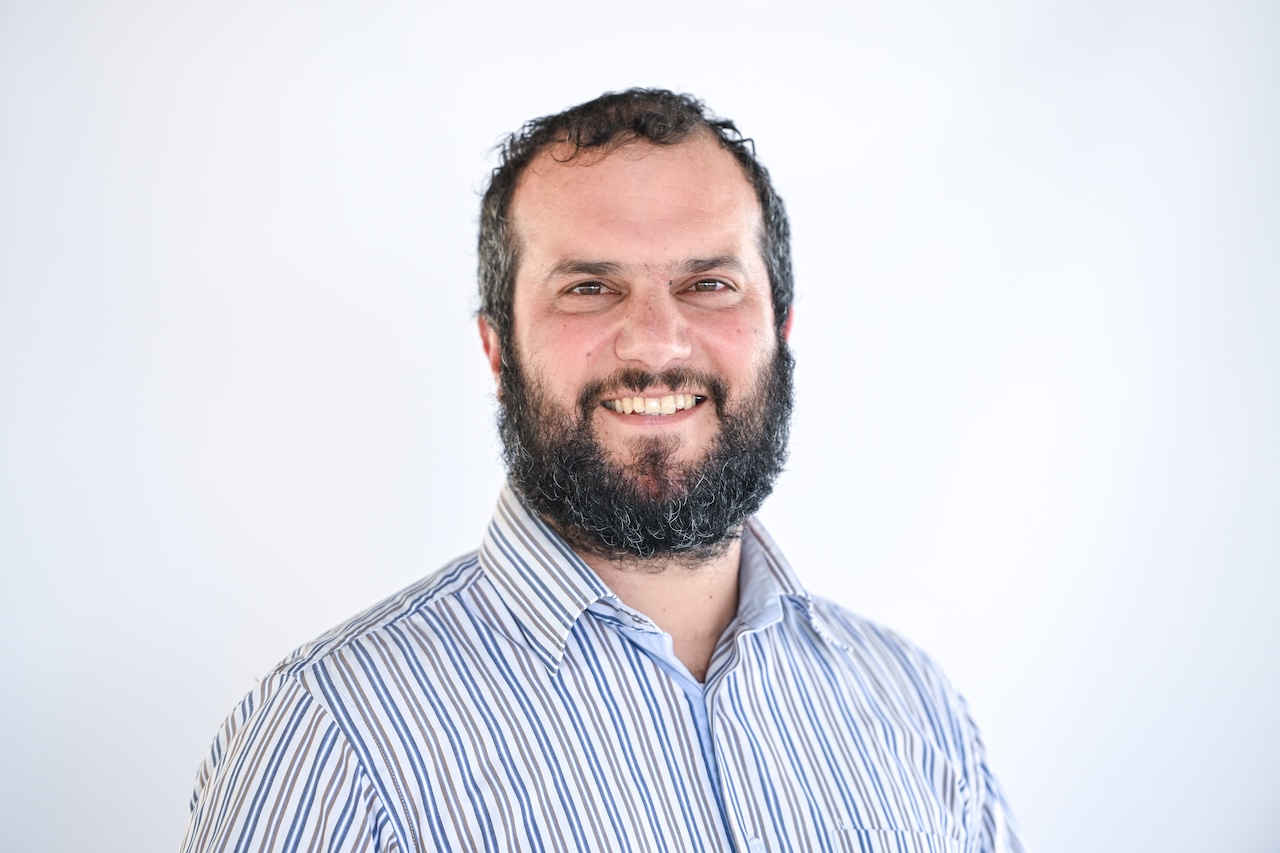
Mr. Fareed Mahameed
Researcher for WATER
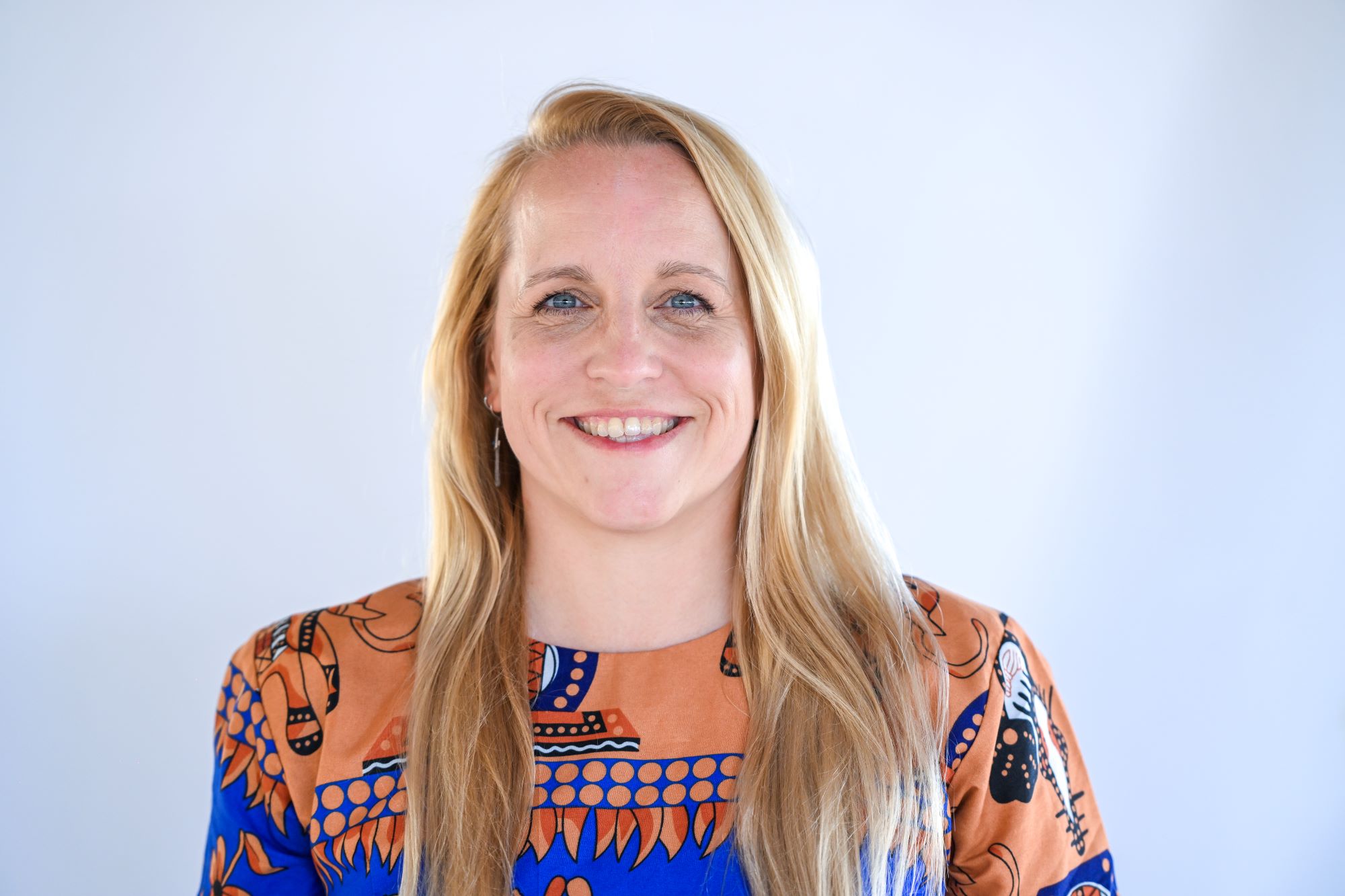
Dr. Jessica Schäckermann
Academic Director
AiesAD@arava.org
Projects
Ecosystem Services
The Center for Arid Socio Ecology has been studying ecosystem services of the Arava since 2010 and the project is ongoing.
Study Program
In the following sections, you will explore the key elements of your experience at the Arava Institute, including academic courses, integrated community programming and dialogue, and field trips that together shape a meaningful and immersive semester.
AgriPV Applied Research
The project investigates agrivoltaic (AgriPV) systems—integrating photovoltaic energy generation with agricultural production—to advance sustainable, off-grid farming solutions in arid environments.
The Sonia Twite Shelter Garden
The Shelter Garden is a conservation and research initiative focused on protecting rare desert plants and restoring biodiversity in the Arava. It combines science, education, and community engagement in a living, accessible landscape.
Off-Grid Technology Hubs for Israel’s Bedouin Sector
Off-grid technology hubs integrating water, energy, and education to support resilient, sustainable communities in the Negev.
Argania Spinosa
The project integrates decades of agricultural research with applied innovation, with the goal of establishing a sustainable, locally based argan oil industry in the region.
Water & Nutrient Management of Trees
Ancient Dates
Reviving 2,000-year-old date palms to explore ancient agriculture, biodiversity, and future resilience.
Off-Grid Water & Waste Systems in the Jordan Valley
The project addresses critical challenges related to water scarcity, sanitation, and resource efficiency in one of the region’s most environmentally vulnerable areas.
People’s Water Data (Pwd) Initiative
This project, in partnership with Tel Aviv University, focuses on assessing and improving drinking water quality in unrecognized Bedouin villages in the Negev Desert.
Eating Off the Grid
The study explores food systems in Al-Fura’a, one of the largest unrecognized Bedouin villages in the Negev Desert.
Solar Thermal Technologies
The study contributes to the development of sustainable, low-cost heating technologies suitable for arid and off-grid environments.
Negev Highlands Traditional Bedouin Agriculture
The project focuses on reviving traditional Bedouin agricultural practices, conserving native medicinal plant species, and documenting Indigenous ecological knowledge in the Negev Highlands.
Science and Sociology of Wood Burning Stoves
The study investigated both the measurable environmental impacts of wood burning and the broader social, cultural, and political dynamics associated with its use.
Pastoralist Communities in Climate Frontier
This multi-year research initiative examines the impacts of climate change on pastoralist communities across borderland regions, including Negev Highlands, Golan Heights, and Area C of the West Bank.
Introducing Native Plants into Gardening and Agriculture Systems
The project focuses on integrating native plant species into agricultural systems and community landscapes in the Arava region.
Biogas Digestate Fertilization
The project explores the use of small-scale biogas systems as a sustainable solution for managing raw chicken manure in agricultural systems.
Researchers
Dr. Jessica Schäckermann
Academic Director AiesAD@arava.org
Dr. Clive Lipchin
Senior Researcher for WATER
Dr. David Lehrer
Senior Researcher for Applied Environmental Diplomacy david@arava.org
Dr. Elaine Solowey
Researcher Emerita
Dr. Elise Machline
Researcher for Climate Change Policy Elise.Machline@arava.org
Mr. Fareed Mahameed
Researcher for WATER
Dr. József Kádár
Researcher for ENERGY Jozsef.Kadar@arava.org
Dr. Miri Lavi-Neeman
Senior Researcher for Socio-Ecology
Mr. Omad Abdelshakour
Researcher for ENERGY lect8@arava.org
Dr. Oren Hoffman
Senior Researcher for EARTH
Dr. Rina Kedem
Senior Researcher for COMMUNITY Rinak@arava.org
Dr. Suleiman Halasah
Senior Researcher for COMMUNITY
Dr. Tareq Abu Hamed
Director of the Arava Institute & ENERGY Researcher tareq@arava.org