Eating Off the Grid
“Eating Off the Grid” is a research project led by a master’s student from Tel Aviv University in collaboration with the Center for Transboundary Water Management. The study explores food systems in Al-Fura’a, one of the largest unrecognized Bedouin villages in the Negev Desert.<br /> The project examines the intersection of Indigenous knowledge and emerging off-grid technologies, analyzing how traditional practices and modern interventions shape food production, access, and consumption in a resource-constrained environment.
Starting date 2025

Related topics
Research center
Research Context & Challenge
Unrecognized Bedouin villages face systemic challenges, including limited access to infrastructure such as electricity, water, and formal food systems. These conditions directly influence food security, dietary practices, and long-term sustainability.
At the same time, communities such as Al-Fura’a maintain elements of traditional pastoralism and Indigenous food knowledge. The introduction of off-grid technologies—particularly in water, energy, and agriculture—creates a unique context in which traditional and modern systems coexist. Understanding how these dynamics interact is critical for designing culturally appropriate and sustainable interventions.
Objectives
- To assess food access and food systems within an off-grid community
- To document the use and evolution of Indigenous food knowledge and practices
- To evaluate the impact of off-grid technologies on food production and consumption
- To analyze how policy and infrastructure limitations influence local food systems
- To contribute to research on sustainable and culturally responsive food systems in arid regions
Methodology & Approach
The study applies a qualitative, field-based research approach, combining interviews, observation, and community engagement. It examines both household-level practices and community-wide dynamics, with particular attention to the role of the local school as a site of technological innovation.
The research focuses on three key areas: the preservation and transformation of traditional food processing and storage methods; the integration of off-grid technologies into daily life; and the broader socio-political context shaping access to resources. This interdisciplinary approach bridges environmental studies, anthropology, and food systems research.
Key Activities
- Fieldwork and qualitative data collection within the community
- Documentation of traditional food practices and knowledge systems
- Analysis of food production, storage, and consumption patterns
- Assessment of the role of off-grid technologies in food systems
- Engagement with community members, including students and families
- Evaluation of policy and infrastructure impacts on food access
Impact & Outcomes
The project contributes to a deeper understanding of how food systems function in off-grid, marginalized environments. By documenting the interaction between Indigenous knowledge and technological innovation, it highlights pathways for developing more resilient and culturally grounded food strategies.
The findings are expected to inform future research and interventions that integrate traditional practices with sustainable technologies. More broadly, the project offers insights applicable to other off-grid and resource-constrained communities globally, where similar challenges of infrastructure, policy, and environmental conditions shape food systems.
Researchers
Introducing Native Plants into Gardening and Agriculture Systems
The project focuses on integrating native plant species into agricultural systems and community landscapes in the Arava region.
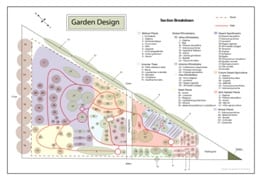
The Sonia Twite Shelter Garden
The Shelter Garden is a conservation and research initiative focused on protecting rare desert plants and restoring biodiversity in the Arava. It combines science, education, and community engagement in a living, accessible landscape.
Negev Highlands Traditional Bedouin Agriculture
The project focuses on reviving traditional Bedouin agricultural practices, conserving native medicinal plant species, and documenting Indigenous ecological knowledge in the Negev Highlands.