Solar Thermal Technologies
טכנולוגיות תרמיות סולאריות تقنيات الطاقة الشمسية الحرارية
This project is an experimental study in solar thermal energy systems conducted under the supervision of Tareq Abu Hamed. The research evaluates the performance of a both sides open solar air heating system based on evacuated tube collectors, with the aim of assessing its thermal efficiency and practical applicability under real-world operating conditions. The study contributes to the development of sustainable, low-cost heating technologies suitable for urban and rural environments.
Starting date 2025

Related topics
Research center
Research Context & Challenge
Solar thermal technologies offer significant potential for renewable heating, particularly in regions with high solar irradiance. However, optimizing system efficiency under real operating conditions remains a technical challenge.
Factors such as airflow accuracy, system sealing, and environmental variability can significantly influence performance. In addition, there is limited field-based data on sides open solar air heating systems using evacuated tube collectors, particularly under non-ideal weather conditions.
Objectives
- To evaluate the thermal efficiency of a both sides open solar air heating system
- To assess system performance under varying environmental and operational conditions
- To identify and resolve measurement and system design limitations
- To compare experimental results with existing research and published studies
- To contribute to the development of efficient solar thermal technologies
Methodology & Approach
The project employs an experimental, field-based approach involving the construction and iterative optimization of a solar air heating system. Measurements were conducted outdoors over a period of approximately three months, including both single-day tests and continuous monitoring periods of up to seven days.
System performance was evaluated under varying air mass flow rates and environmental conditions, including low solar irradiance and rainfall. Thermal performance metrics were calculated by analyzing heat input and output to determine overall system efficiency.
During data analysis, inconsistencies were identified and traced to inaccuracies in airflow measurement. The experimental setup was subsequently modified, including improvements to system airtightness and replacement of the airflow measurement device. Current measurements are being repeated to validate results and ensure data reliability.
Key Activities
- Design and construction of an experimental solar air heating system
- Iterative modification and optimization of system components
- Outdoor experimental testing under varying flow rates and weather conditions
- Measurement of thermal input and output for efficiency calculations
- Identification and correction of measurement errors
- Comparative analysis with existing studies in the field
Impact & Outcomes
The project has generated detailed experimental data on the performance of double-ended solar air heating systems under real-world conditions. It has also highlighted the importance of accurate instrumentation and system integrity in evaluating thermal efficiency.
Ongoing validation of corrected measurements is expected to produce reliable performance data, enabling meaningful comparison with existing research, including recent experimental studies conducted internationally.
The findings will contribute to the broader field of solar thermal research, supporting the development of more efficient and robust heating systems for sustainable energy applications, particularly in arid and off-grid environments.
Researchers
Contributors
Samuel Fronius, Salem Alkharabsheh
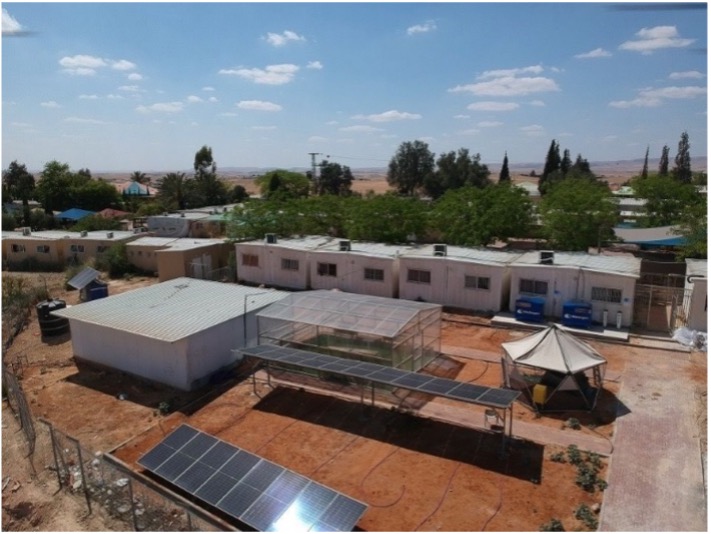
Off-Grid Technology Hubs for Israel’s Bedouin Sector
Off-grid technology hubs integrating water, energy, and education to support resilient, sustainable communities in the Negev.
Biogas Digestate Fertilization
The project explores the use of small-scale biogas systems as a sustainable solution for managing raw chicken manure in agricultural systems.
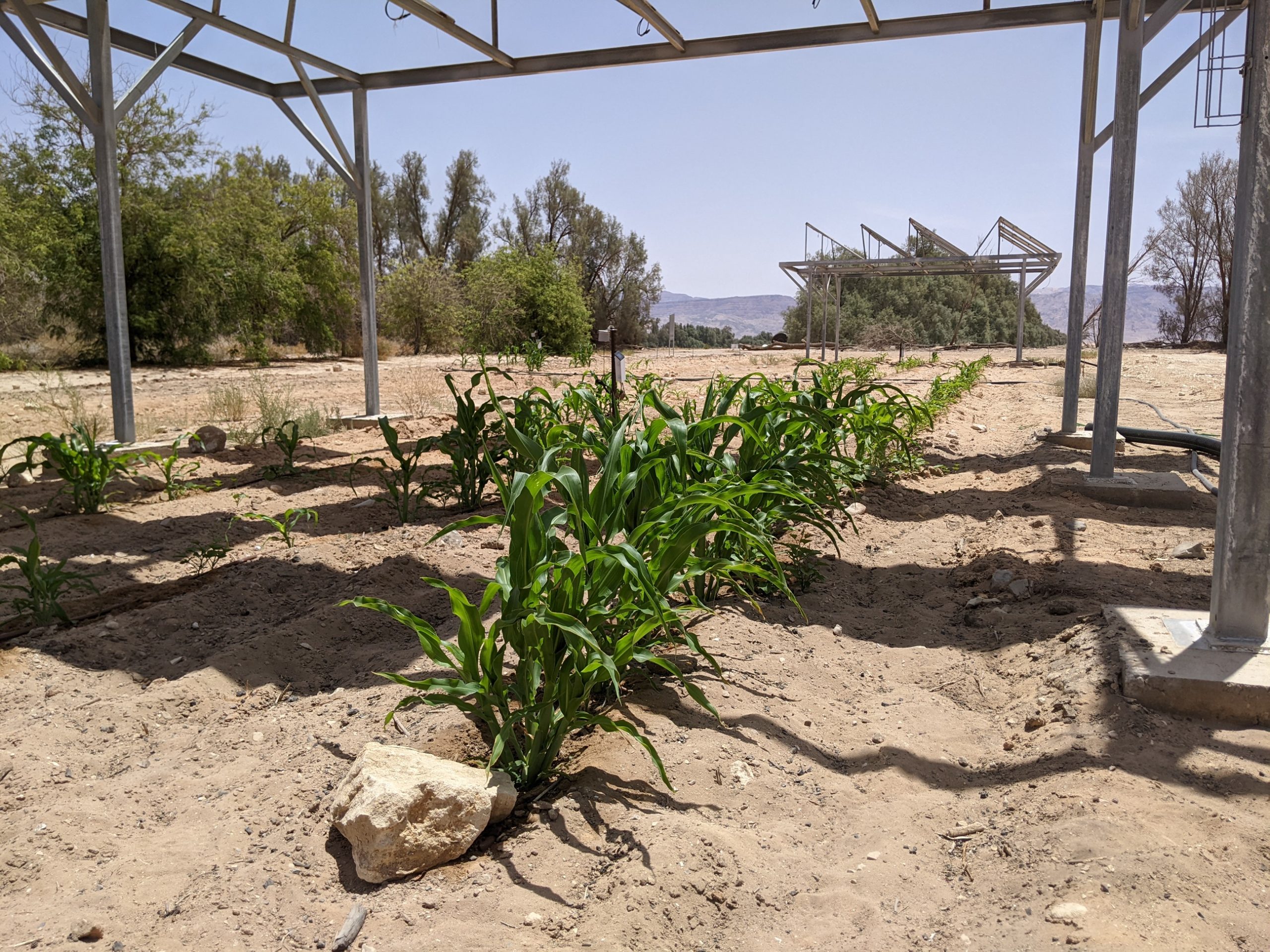
AgriPV Applied Research
The project investigates agrivoltaic (AgriPV) systems—integrating photovoltaic energy generation with agricultural production—to advance sustainable, off-grid farming solutions in arid environments.