Applied Environmental Diplomacy

דיפלומטיה סביבתית יישומית الدبلوماسية البيئية التطبيقية

Applied Environmental Diplomacy (AED) is the practice of turning shared environmental challenges into entry points for cooperation, trust, and lasting change. Communities on opposite sides of a conflict often depend on the same water sources, face the same climate risks, and need the same infrastructure. That shared reality — and the relationships built around addressing it — can become the foundation for something more durable than any political agreement alone. The Arava Institute has been developing and practicing this approach for over 30 years, in one of the world's most complex conflict environments.

WHY NOW

The Middle East is at an inflection point. The war in Gaza has deepened mistrust, displaced hundreds of thousands of people, and set back decades of environmental and infrastructure progress. Climate change is accelerating water scarcity, food insecurity, and resource competition across a region already under enormous strain. And the political frameworks that were supposed to deliver stability have, for the most part, not delivered.

In this context, Applied Environmental Diplomacy is not an idealistic proposition — it is a pragmatic one. Environmental challenges do not pause for political resolution. Communities need water, energy, and sanitation now, regardless of what is happening at the negotiating table. And the cooperation required to address those needs — sustained, practical, and built on real relationships — may be one of the few paths available for rebuilding trust across the lines that matter most.

HOW WE DO IT

Field Implementation

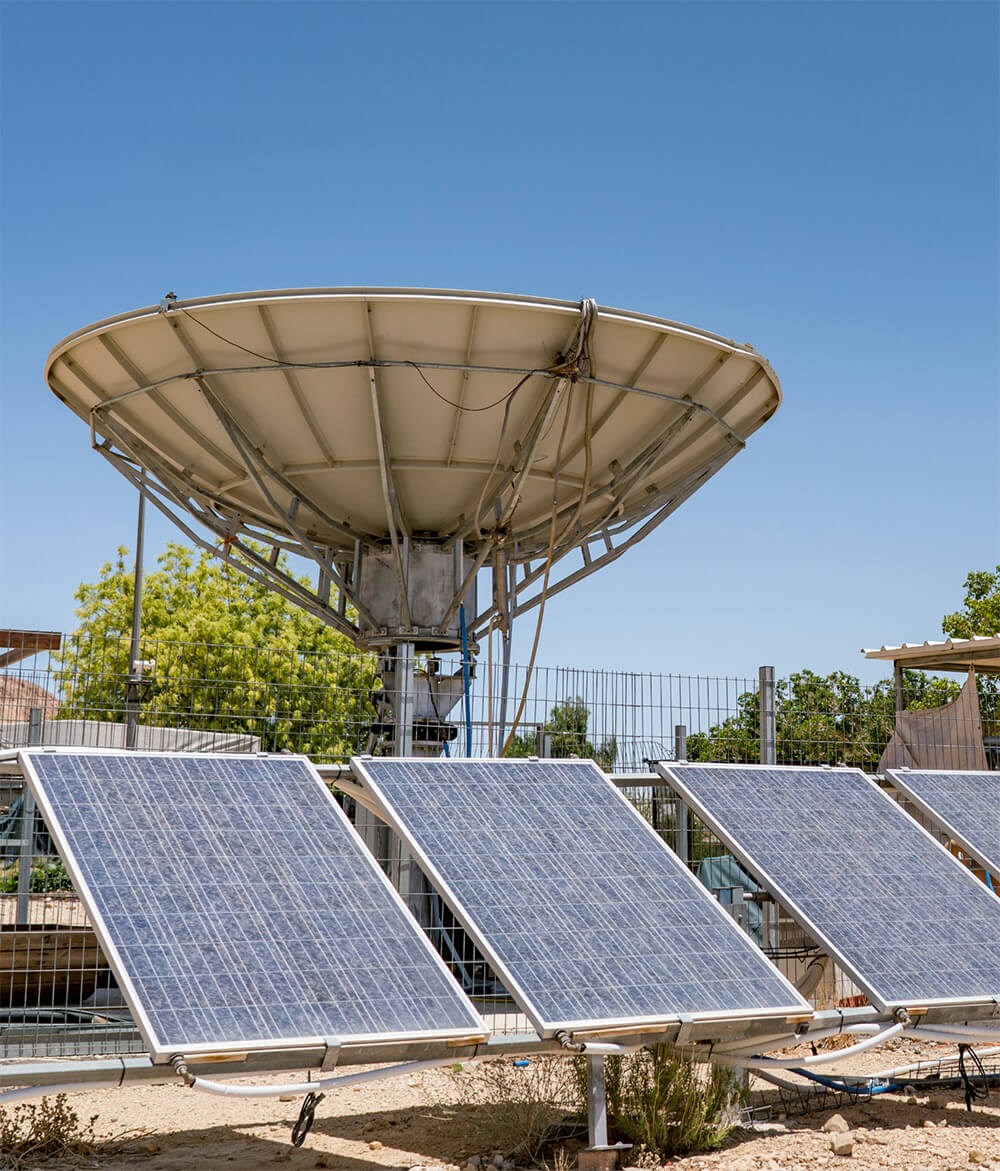
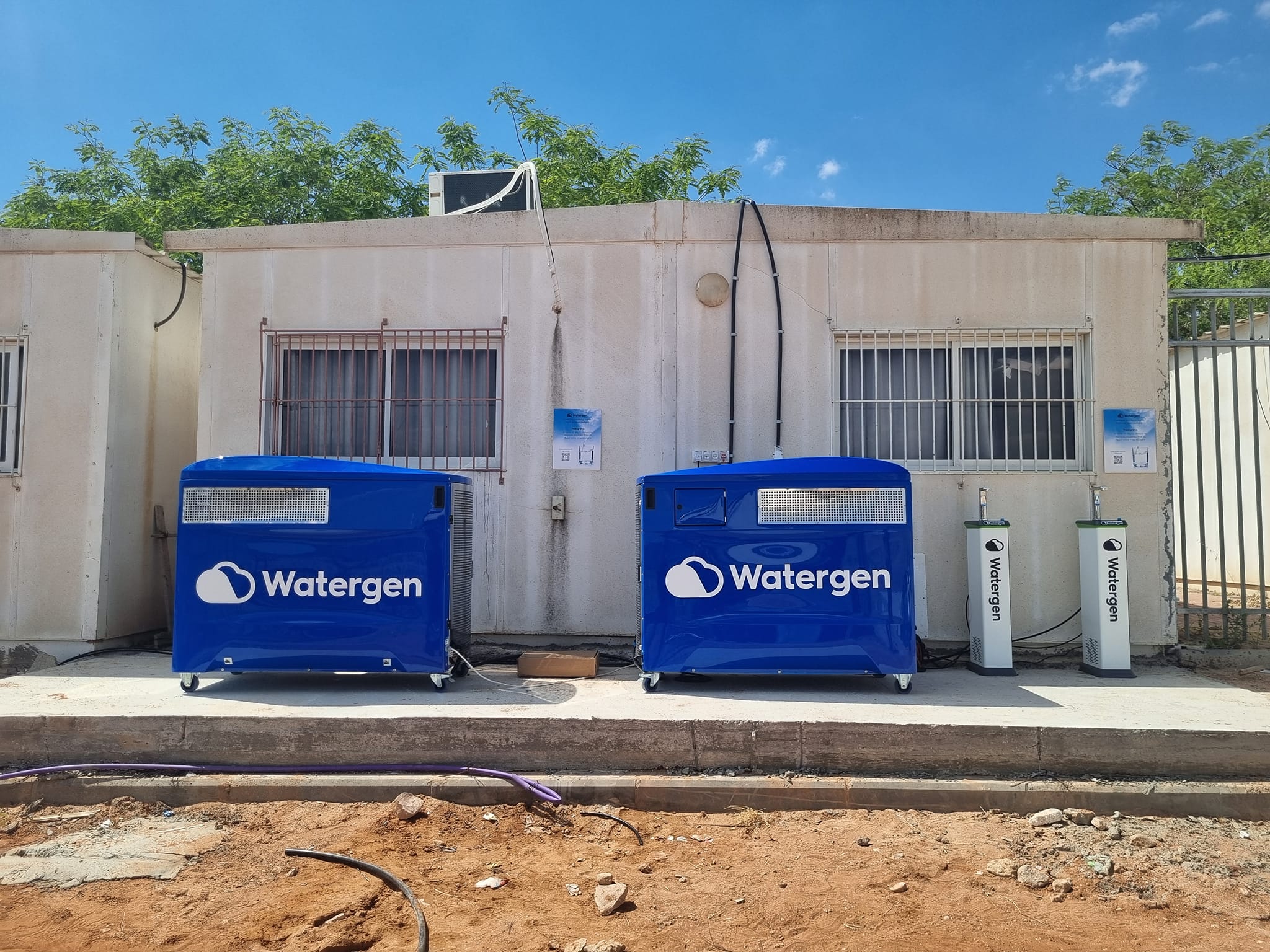
We design and deploy decentralized water, energy, and sanitation solutions in conflict-affected and underserved communities across the West Bank, Gaza, the Negev, and the broader region. These projects serve as proof of concept — for the technologies themselves, for the cross-border partnerships that make them possible, and for the premise that environmental cooperation can function even under the most difficult political conditions.

Field Implementation

Cross-Border Convening and Diplomacy

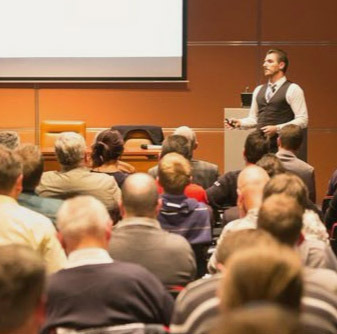
Through CAED, we bring together Israeli, Palestinian, Jordanian, and regional practitioners, experts, and institutions around water, energy, food security, and ecosystem recovery. This includes Track II diplomatic forums, expert working groups, and regional conferences on shared environmental challenges. The aim is not only dialogue but the concrete relationships, agreements, and initiatives that dialogue makes possible.

Cross-Border Convening and Diplomacy

Community Capacity Building

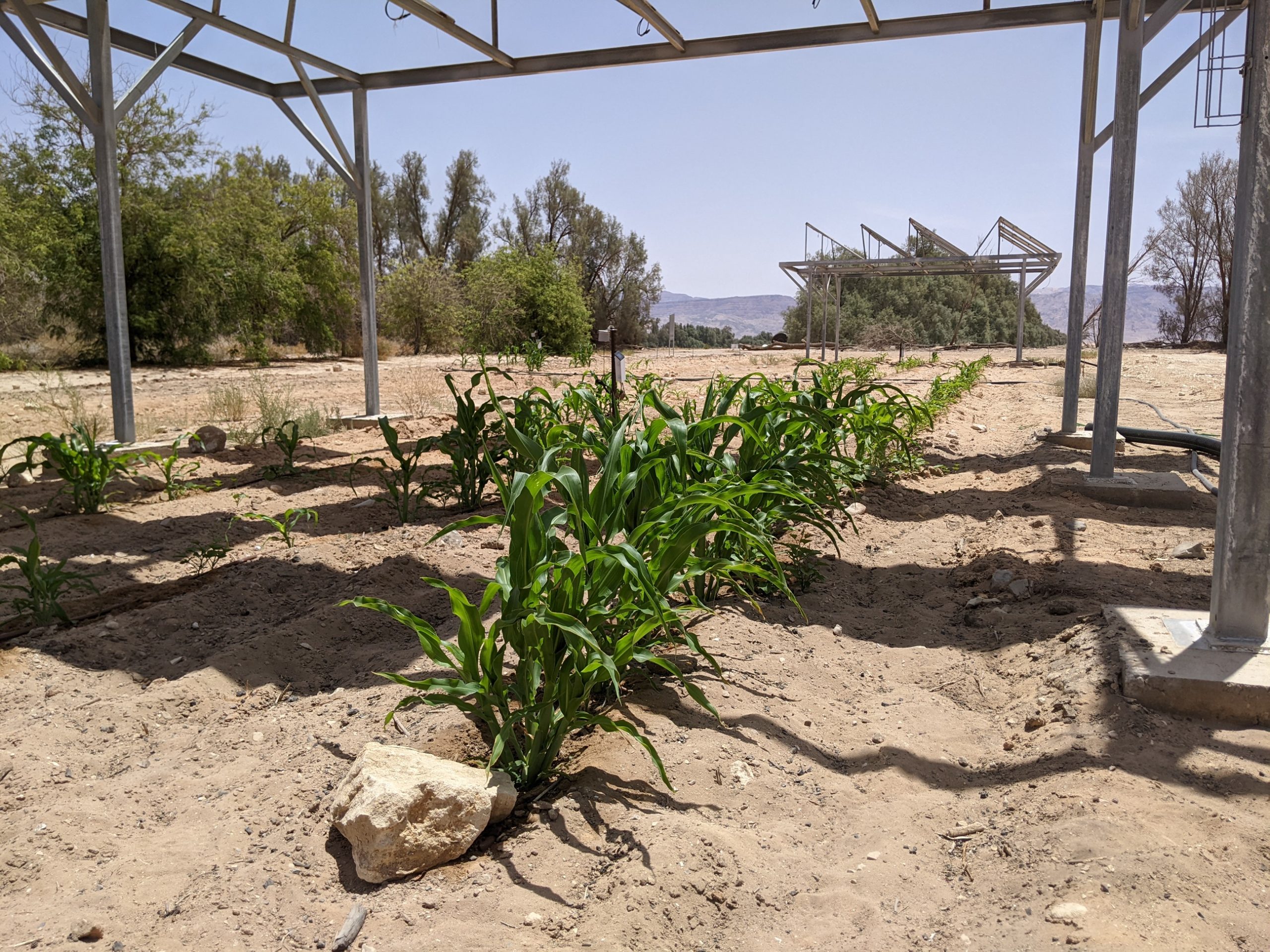
We work directly with communities to build the knowledge, cross-border relationships, and institutional capacity needed to sustain environmental cooperation over time. This is the long-term dimension of AED — ensuring that the trust and practice built through individual projects takes root at the community level and endures beyond any single funding cycle.

Community Capacity Building

Education and Fellowship

Through the Arava Institute's academic programs and CAED's Accelerator Fellowship, we develop the next generation of environmental practitioners and peacebuilders — equipping emerging leaders with the skills, networks, and cross-border experience to advance environmental diplomacy in their own contexts.

Education and Fellowship