Ancient Dates
תמרים עתיקים التواريخ القديمة
The Methuselah Date Palm Project revives 2,000-year-old date palm seeds, reconnecting modern science with ancient agriculture. What began with a single germinated seed has grown into a living orchard of rare palms, enabling groundbreaking research in genetics and resilience. The project demonstrates the potential of ancient crops to inform future food security and biodiversity conservation.
Starting date 2005

Related topics
Research center
Research Context & Challenge
The loss of ancient crop varieties has limited scientific understanding of historical agricultural systems and genetic diversity. Seeds preserved for millennia present significant biological challenges, including low viability and uncertain germination potential.
At the same time, reviving ancient species offers a rare opportunity to explore traits such as environmental resilience, disease resistance, and adaptation—qualities that may hold relevance for modern agriculture in the context of climate change.
Objectives
- To germinate and cultivate ancient date palm seeds
- To analyze genetic diversity and lineage of revived palms
- To study growth patterns, reproduction, and cross-pollination
- To evaluate the agricultural and ecological potential of ancient varieties
- To contribute to broader research on biodiversity restoration and crop resilience
Methodology & Approach
The project applies a combination of archaeological sourcing, controlled germination techniques, and long-term agricultural research. Ancient seeds were carefully germinated and cultivated in a dedicated research orchard at Kibbutz Ketura.
Ongoing research includes genetic testing, monitoring of growth and flowering cycles, and controlled pollination between male and female trees. Findings have been documented and published in peer-reviewed scientific literature, including Science Advances. The project also incorporates vegetative propagation methods, such as cloning through offshoots, to preserve desirable traits.
Key Activities
- Germination of ancient seeds recovered from archaeological sites
- Establishment and maintenance of a dedicated research orchard
- Genetic analysis and documentation of plant development
- Controlled pollination and monitoring of reproductive cycles
- Cultivation and expansion of ancient date palm populations
- Harvesting, processing, and analysis of fruit
- Implementation of cloning techniques through offshoot propagation
Impact & Outcomes
The project achieved a major milestone in 2005 with the successful germination of “Methuselah,” the oldest known seed ever grown. Subsequent efforts led to the cultivation of additional palms—Adam, Jonah, Uriel, Boaz, Hannah, and Judith—forming a unique living collection of ancient date trees.
In 2020, the project marked a historic breakthrough with the first successful harvest of dates, produced through pollination between Methuselah and the female palm Hannah. Approximately 3,000 dates were produced, demonstrating the viability of these ancient species after millennia of dormancy.
Ongoing research has revealed notable biological phenomena, including a rare shift in sex expression in the palm Judith, now under detailed investigation. Continued propagation and study of these trees contribute to global knowledge of plant genetics, conservation, and agricultural resilience.
Beyond its scientific achievements, the project serves as a powerful model of biodiversity restoration, illustrating the potential to reconnect modern research with ancient agricultural heritage in response to contemporary environmental challenges.
Researchers
Contributors
The project is a collaboration between the Arava Institute’s Center for Sustainable Agriculture (CSA) and the Louis L. Borick Natural Medicine Research Center (NMRC) at Hadassah Hospital, with contributions from academic researchers and archaeological partners.
Dr. Sarah Sallon
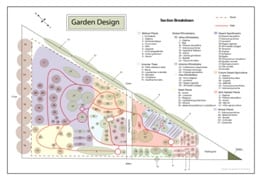
The Sonia Twite Shelter Garden
The Shelter Garden is a conservation and research initiative focused on protecting rare desert plants and restoring biodiversity in the Arava. It combines science, education, and community engagement in a living, accessible landscape.
Introducing Native Plants into Gardening and Agriculture Systems
The project focuses on integrating native plant species into agricultural systems and community landscapes in the Arava region.
Eating Off the Grid
The study explores food systems in Al-Fura’a, one of the largest unrecognized Bedouin villages in the Negev Desert.